There is tremendous confusion around the value and price tag for branding. Here's what creative-studio-level brand strategy costs and why.
The first question every founder asks about brand strategy: "How much does this cost?"
The answer you usually get: "It depends."
That's not helpful. It's strategic avoidance. Studios hide pricing because transparency forces clarity—about what you're actually buying, what differentiates foundational work from cultural transformation, and whether you're paying for execution or infrastructure.
Strategic brand work typically ranges from $15,000 to $60,000+ depending on whether you need positioning clarity, complete brand infrastructure, or cultural market repositioning.
But here's what matters more than the number: Price does not reveal quality. It reveals positioning.
If you're comparing studios on cost alone, you may be asking the wrong question. You're optimizing for expense instead of value. And you're headed straight for what we call the rebrand tax—the hidden cost of buying execution when you actually need strategy (input) that creates the execution (output).
Here's what brand strategy actually may cost at Atelier Coeur (ATLC), what you get at each investment level, and how to know whether you'd be purchasing the right thing.

The Three Tiers: What You're Actually Paying For at ATLC
Foundation: $15,000–20,000
What you get:
- Brand positioning framework (who you serve, what makes you distinctive, how you compete)
- Messaging architecture (core narrative, value propositions, proof points)
- Visual direction with mood boards (aesthetic exploration, not final design)
- Strategic roadmap for phased implementation
- Timeline: 6–8 weeks
Best for:
Early-stage brands needing positioning clarity before visual execution. You know your business model works, but you can't articulate why clients should choose you over alternatives. You're explaining yourself differently every time someone asks what you do.
The diagnostic signal:
You're losing deals you should be winning. Clients say "we went with someone else" but can't explain why. Your differentiation lives in your head, not in your messaging.
Infrastructure: $25,000–35,000
What you get:
- Complete brand positioning system (Foundation tier work, fully developed)
- Visual identity design (logo, typography, color system, graphic language)
- Brand guidelines with application examples (how to use your brand across contexts)
- Content themes and storytelling framework (what to talk about, how to structure narratives)
- Marketing strategy with channel recommendations
- Timeline: 8–12 weeks
Best for:
Established businesses at cultural inflection points. You've proven your model, you're entering new markets or launching new offerings, and your current brand doesn't signal the quality you deliver. You need infrastructure that scales.
The diagnostic signal:
You're outgrowing your visual identity. Clients love your work but your brand presence feels inconsistent across touchpoints. You're preparing for expansion and your current materials won't translate to the new context.
Transformation: $40,000–60,000+
What you get:
- Cultural positioning strategy (Infrastructure tier, plus deep market/cultural analysis)
- Complete brand transformation across all touch points
- Multi-channel content strategy and rollout plan
- Custom production (photography, video, environmental design as needed)
- Launch strategy with performance framework
- Timeline: 12–16 weeks
Best for:
Brands redefining their category or operating at cultural intersections that require sophisticated positioning. Your challenge isn't explaining what you do—it's articulating complex cultural positioning without reducing it to aesthetic borrowing. You're not competing on features. You're competing on worldview.
The diagnostic signal:
Standard branding approaches feel insufficient. Your story involves cultural complexity, historical context, or positioning nuance that generic brand frameworks can't capture. You need strategic infrastructure that honors that complexity.

The Rebrand Tax: Why Cheap Branding Costs 3X More
Here's the pattern we see constantly:
A founder pays $5,000 (despite having a midsized budget) for a logo and basic brand identity. It looks fine. It functions. But 18 months later, they're back in the market for "real" branding because they've realized they bought execution without strategy.
The calculation:
- $5,000 initial cosmetic work
- $25,000 strategic brand infrastructure (18 months later)
- Lost opportunity cost from misaligned positioning
- Total investment: $30,000+ over two years
Versus:
$25,000 done strategically that includes competitive analysis, marketing strategy and persona identifification from the beginning.
The difference? The $5,000 version gives you visual assets. The $25,000 version gives you positioning infrastructure that makes every subsequent marketing decision clearer.
This is the rebrand tax. It's what you pay when you optimize for cost instead of value.
The companies that avoid it aren't smarter or better funded. They just ask different questions upfront:
- "What strategic infrastructure do we need to compete at our inflection point?"
- "How do we position for where we're going, not where we've been?"
- "What makes our brand worth premium pricing in our category?"
If you're asking "what's the cheapest option," you're headed for the rebrand tax. If you're asking "what's the right infrastructure for our goals," you're thinking strategically.

What Strategic Infrastructure Actually Produces: A Real Example
But what does $25,000–$40,000 brand strategy actually look like in practice?
Here's a case study.
The challenge:
How do you honor the forgotten Black jockeys who dominated American horse racing—without reducing their story to decoration?
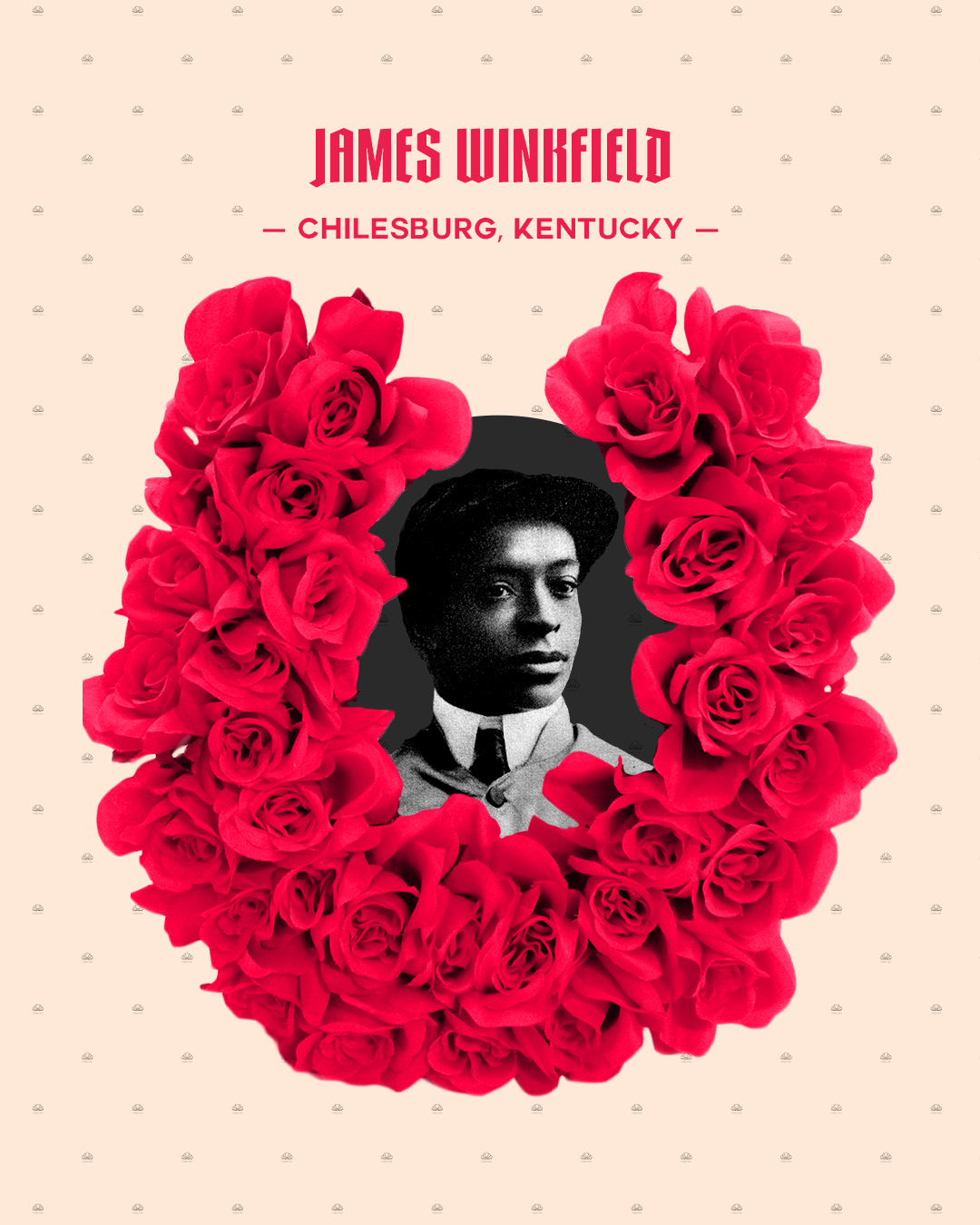
In the late 1800s, fifteen of the first twenty-eight Kentucky Derby winners were ridden by Black jockeys. Names like Isaac Burns Murphy, Willie Simms, Jimmy Winkfield. Athletes who dominated the sport before Jim Crow systematically erased them from the industry they'd built.
The Derby still celebrates its heritage. It just forgets which one.
In 2024, artist and cultural architect Afatasi approached us to design the brand experience for Sucka Free Derby Day—an event that would celebrate Derby spectacle while centering the excellence of the jockeys who made it iconic.
The strategic complexity:
Cultural homage is a minefield. Do it wrong, and you reduce complex history to aesthetic borrowing. You risk making trauma decorative. You perform "awareness" without honoring the people involved.
Our approach:
Treat the jockeys as the headliners, not the context. Their excellence is the story. The erasure is the footnote.
The execution:
- Visual identity centered on roses (Derby's defining symbol, reclaimed as celebration of Black achievement)
- Typography that referenced vintage racing posters without nostalgia
- Partnership with Black-owned businesses for every vendor touchpoint
- Environmental design that transformed the venue into immersive experience
- Content strategy that made history feel urgent, not academic
The results:
- 38% increase in online engagement around Derby Day content
- Sold-out attendance (capacity reached two weeks before event)
- Partnership interest for future iterations
- Guests showed up magnificently—cultural buy-in through participation
This is what $25,000–$40,000 strategic work produces.
Not just a logo. Not just "brand guidelines." Strategic infrastructure that turns cultural complexity into celebration—and fills every seat.
Read the full case study: When the Kentucky Derby Comes to San Francisco →
If You're Still Comparing on Price, You're Not Ready
Here's the reality: If you're looking for the cheapest option, we're not the right fit.
If you're collecting quotes to compare on price alone, you're not ready for strategic partnership. You're shopping for execution. That's fine—but it's different work that produces different outcomes.
But if you're asking:
- "How do we position at our cultural inflection point?"
- "What makes our brand worth premium pricing in our category?"
- "How do we honor complexity without sanitizing it?"
- "What infrastructure do we need to compete where we're going, not where we've been?"
Then you're asking the right questions.
Strategic brand work isn't an expense. It's infrastructure. It's the system that makes every subsequent marketing decision clearer, every client conversation sharper, every market expansion more coherent.
The brands that understand this don't ask "what's the cheapest option?" They ask "what's the right investment for our objectives?"
That's the difference between buying a logo and brand identity system and building strategic infrastructure.
And that's what determines whether you pay once—or pay the rebrand tax.
Ready to find out what YOU actually need? Most brands don't need a $50K transformation. Some don't even need $15K strategy work yet. The 3-minute Brand Clarity Assessment tells you exactly where you stand and what comes next. It's provides an informative diagnosis and takes 3 minutes.